


Reading the Keno Board Without Chasing Miracles
Most Aussie punters treat online keno like a lottery ticket they can out-think, which is exactly why the house keeps its edge. A proper online keno strategy guide australia should start by stripping back the noise: the game runs on fixed odds, the draw is random, and no betting pattern bends the mathematics. What you can shape is your bankroll behaviour, your pick size, and how you read a lobby that’s trying to sell you urgency. That’s where product discipline matters, and it’s the same filter I apply when Aruze Gaming Australia evaluates a regulated market rollout - supplier trust, transparent mechanics, and a lobby that doesn’t dress up variance as opportunity.
How Keno Actually Behaves on Screen
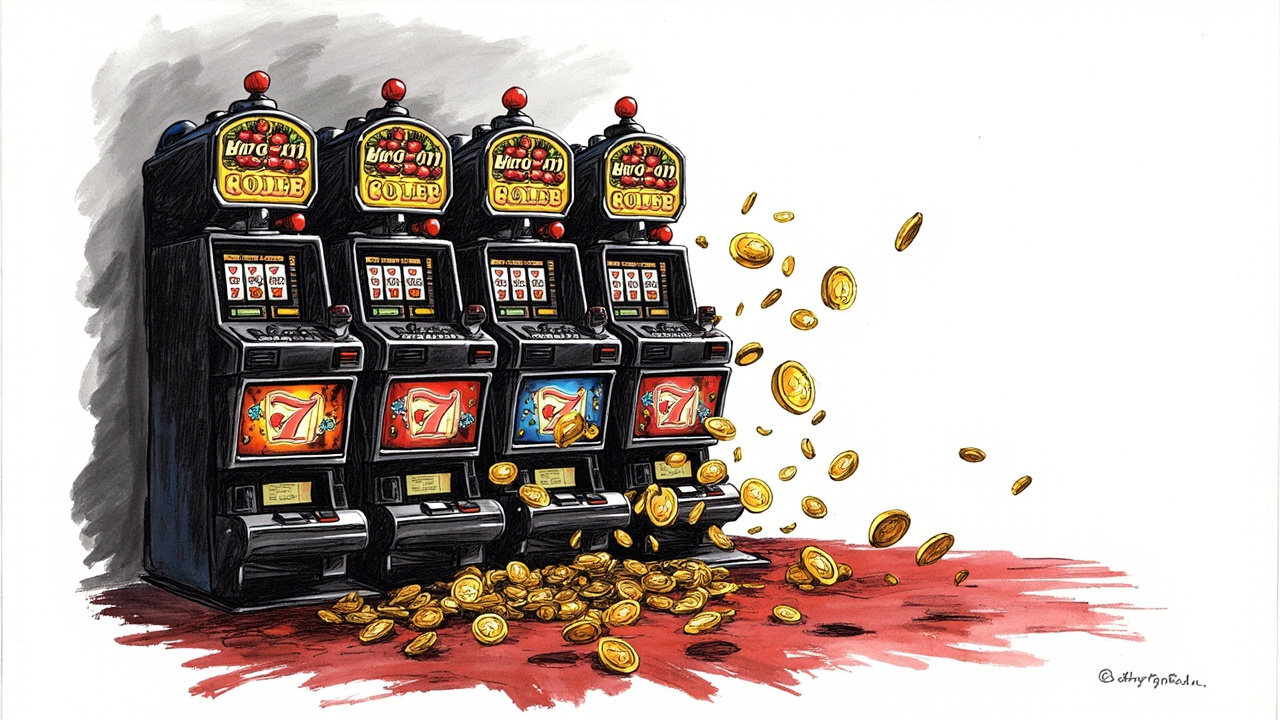
Keno isn’t a slow-burn table game where you can read a shoe or track a dealer’s rhythm. You pick spots, the machine draws twenty numbers, and the paytable rewards how many of your selections land. The catch is that paytables are tuned to the operator, so two lobbies can show the same “pick 10, catch 5” line and pay out at noticeably different rates. Before you drop a credit, check the published return-to-player figure and the exact paytable for that title, because the screen can look identical while the maths underneath isn’t.French Roulette Style, Strategy And Safer
The rhythm of play matters more than most people admit. Keno moves fast, and fast games invite autopilot spending. Set a session limit in credits or dollars before you press start, then treat that limit like a sealed envelope - once it’s gone, the session is done. That’s not a moral lecture; it’s how you keep the game from becoming a background expense that bleeds into your arvo coffee money. A supplier that builds clear session controls into the lobby is doing its job, and that’s a concrete comparison point I use when judging whether a provider is ready for a regulated jurisdiction.
When you’re scanning a lobby, look for how the paytables are organised. A cluttered row of “bonus” badges and flashing pick counters tells you less than a clean paytable with readable hit frequencies. If you can’t tell what catching four out of eight actually returns, you’re guessing, and guessing is the fastest way to turn a fun pick-and-match game into a wallet problem.
Reading the Lobby Before You Pick the details Numbers
A good lobby should make discovery boring in the best sense. You want a search bar that actually filters by pick size, a paytable view that opens without a popup maze, and providers grouped so you can spot which titles share a mechanics family. If the lobby feels packed tighter than a Melbourne tram on AFL Grand Final day, you’re spending more time navigating than playing, and that’s a product failure, not a feature. I’ve sat through enough supplier pitches to know that a tidy lobby usually signals a team that respects the player’s time, and that discipline carries straight through to regulated-market execution.
Payment options and currency handling should be equally straightforward. In an Australian context, you want AUD handling that doesn’t hide conversion fees in the fine print, plus deposit and withdrawal paths that match your actual usage rather than some generic global menu. Registration should ask for what it needs and nothing more, with verification treated as a normal step rather than a hurdle you’re meant to workaround. None of that is glamorous, but it’s the difference between a product that feels built for the market and one that feels bolted on.plinko-game-au.net
Support and loyalty mechanics round out the picture. A live chat that can answer a paytable question in plain English, plus a loyalty structure that rewards steady play without nudging you toward reckless bet sizing, tells you the operator is thinking about retention rather than extraction. You can learn more about how other table-style games handle safer play framing in this piece on French Roulette style, strategy and safer play in Australia, which is a useful parallel when you’re comparing how different lobbies talk about risk. The point isn’t to copy another game’s playbook; it’s to notice which operators frame their games honestly and which ones lean on urgency to do the heavy lifting.
Picking a Play Style That Fits Your Pocket
If you’re after longer sessions with smaller swings, fewer picks with a tighter paytable read usually gives you more control than scattering spots across the board. Catching more of your selections is harder, but the bet per game stays manageable and the session length stretches out. If you prefer a quicker pulse, more picks can be entertaining, but you should expect the variance to jump and your bankroll to move faster. Neither approach is a secret weapon; they’re just different ways of trading pace for risk, and the right one depends on what you’re actually trying to get out of the arvo.
A practical rule is to match your pick size to the paytable you can actually read. If a title pays decently for catching a modest number of your selections, that’s the lane to test with small credits before you decide whether the game earns more of your time. If the paytable only lights up at deep catches, treat it as a high-variance diversion rather than a session anchor. That kind of judgement call is the same sort of lens I bring from managing-director work at Aruze Gaming Australia, where supplier trust is built on whether a product’s mechanics are presented honestly, not on how loudly it promises a big moment.
Quotes from people who watch this space day to day reinforce the point. As Sienna Martin, Head of Analytics, Kangaroo Point Analytics, puts it, “Players who track their own hit rate against the paytable make calmer decisions than those who treat every draw as a fresh shot at a life-changing catch.” Lucas Foster, Customer Experience Lead, Flinders Interactive Group, adds, “A lobby that makes the paytable visible before the first bet earns more trust than one that buries it behind badges and timers.” And Mia Nelson, Marketing Director, Oceanic Gaming Strategy, notes, “The operators who last in regulated markets are the ones that stop dressing up variance as a feature and start designing for clarity.”
When Keno Makes Sense in Your Rotation
Keno fits best as a pick-and-match diversion with a clear session budget, not as the centrepiece of a serious play plan. If you like fast rounds, readable paytables, and a game that doesn’t demand table etiquette or dealer timing, it earns a spot in your rotation. If you want slower decision-making, richer social texture, or a game where you can read the flow over time, you’re better off elsewhere. The right fit is the one that matches your pace and your limit, not the one with the loudest promotional banner.
The Sands casino, a Rat Pack haunt, was imploded in 1996, and there’s a lesson in that for anyone reading a modern lobby: flash fades, and what’s left is the structure underneath. In keno, that structure is the paytable, the pick size, and the limit you set before you start.“Neck and neck” and “down to the wire” entered Aussie speech from racing, and they suit a game where the draw is instant and the result is final. Play for the rhythm you enjoy, keep your budget visible, and let the numbers do what they do.
- Pick size: the number of spots you select on the keno board before a draw.
- Paytable: the published schedule showing what each catch combination returns.
- Variance: how much a game’s results swing from session to session.
- Session limit: a pre-set cap on credits or dollars for one sitting.
- RTP: return-to-player, the long-run percentage a game is built to pay back.
